Patient completes intake
The patient submits a detailed intake form including symptoms, history, and validated assessments.
How a specialized endometriosis clinic transformed complex patient intake into structured clinical intelligence using ClinoView.

Instituto Doyenne is a specialized endometriosis clinic managing complex patient cases with multidimensional symptom profiles, validated clinical instruments, and high variability in patient histories. Their intake process included more than 78 questions and multiple standardized assessments that required careful interpretation before each consultation.
Before ClinoView, the intake process created a significant operational and clinical bottleneck. Each patient form required manual review, interpretation across multiple instruments, and consistent judgment under time pressure.
As patient volume increased, the clinic needed a better way to process intake without compromising consistency or clinical rigor.
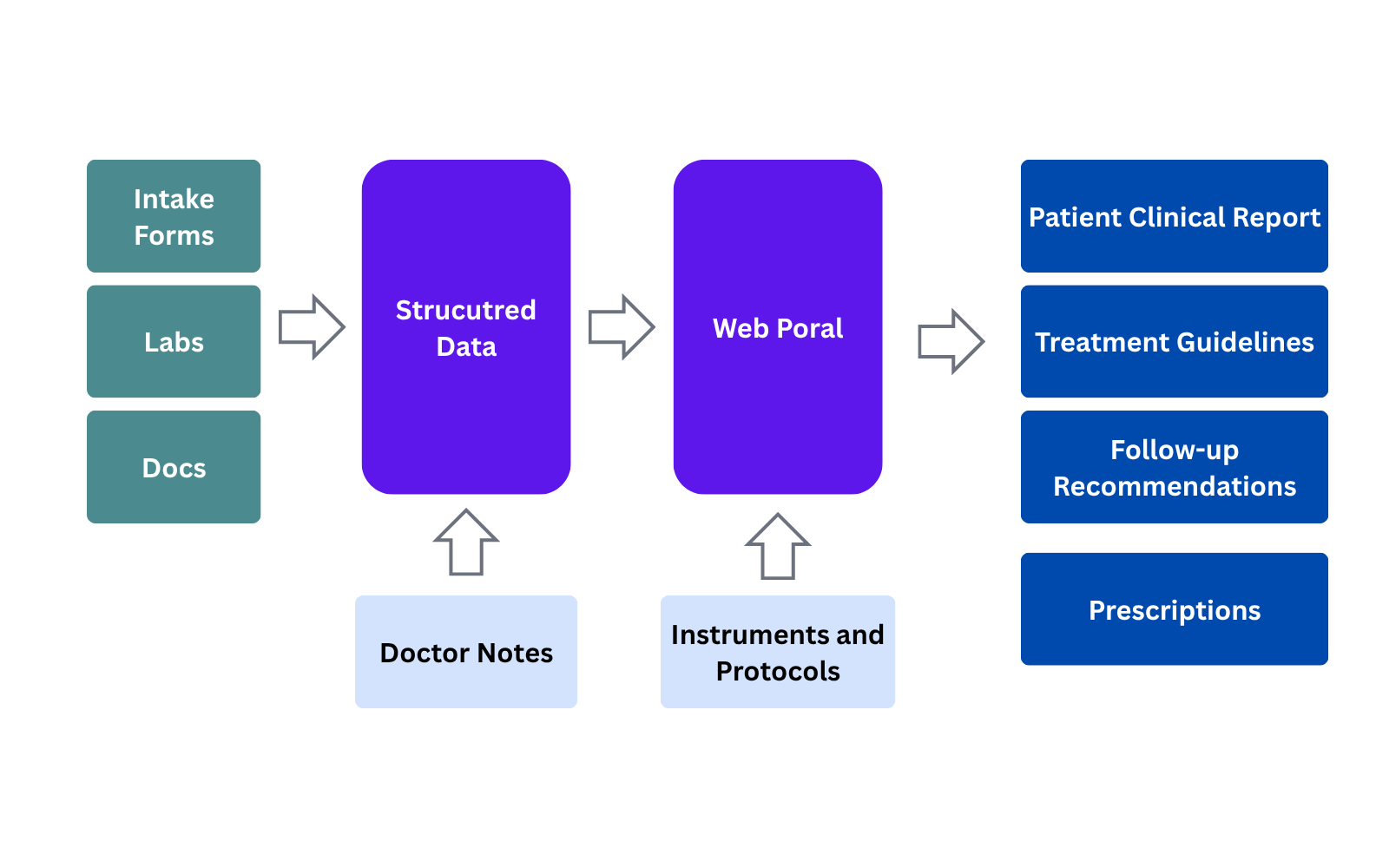
ClinoView was implemented as a clinical intelligence platform that transforms raw patient intake data into structured, actionable reports in under 60 seconds. Instead of manually reviewing each form, clinicians receive a consistent output that helps them focus on decision-making rather than data parsing.
The patient submits a detailed intake form including symptoms, history, and validated assessments.
The platform analyzes the responses, scores the instruments, and detects relevant clinical patterns.
A standardized clinical summary is created with key findings, risk flags, and scored instruments.
The doctor receives the report before seeing the patient, reducing prep time and improving consistency.
Endometriosis represents one of the most complex intake scenarios in clinical care. By solving intake interpretation at this level of complexity, the same infrastructure can be adapted to other specialties that depend on structured intake and multivariable clinical interpretation.
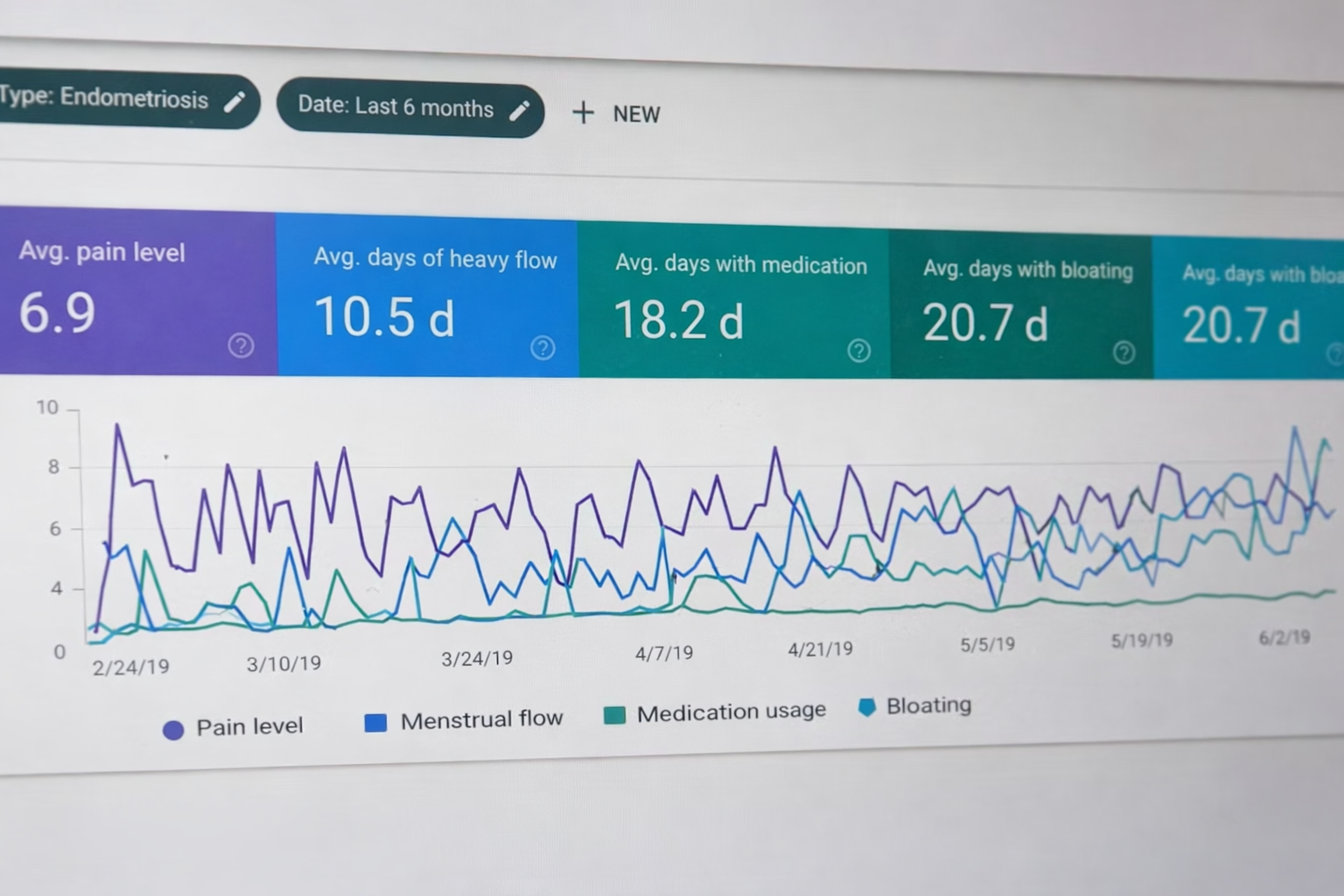
We are currently working with a limited number of clinics exploring similar workflows. If your practice relies on complex intake and manual interpretation, we would be happy to share how this model could apply to your setting.
Book a conversation to explore how ClinoView could support your specialty workflow.